-
 Continue reading →: Does ZIP Code Affect Your Education?
How does zip code affect education? The distinct geographical location can actually have a big impact upon the education of an individual, particularly in urban areas. In large metropolitan centers such as New York City, the quality of education very much depends upon zip codes, and also in the case…
-
 Continue reading →: How To Design Neighborhoods That Cut Down Driving
Designing neighborhoods that cut down auto trips requires integrating land use and transport so that daily needs are reachable within a short walk, bike ride, or transit ride. The “15-minute city” model operationalizes this through four planning principles-proximity, density, diversity (mixed uses), and ubiquity-so that essential services like groceries, schools,…
-
 Continue reading →: Should All Students Have Access to a Student MetroCard?
All high school students in the Tri-State Area should have access to a subsidized, student MetroCard because reliable, affordable transportation directly supports equal access to education and opportunities. Many students depend on public transportation, to get to school, part-time jobs, extracurriculars, and social services. If there are not subsidized fares…
-
 Continue reading →: Light Rail Mobility in the United States
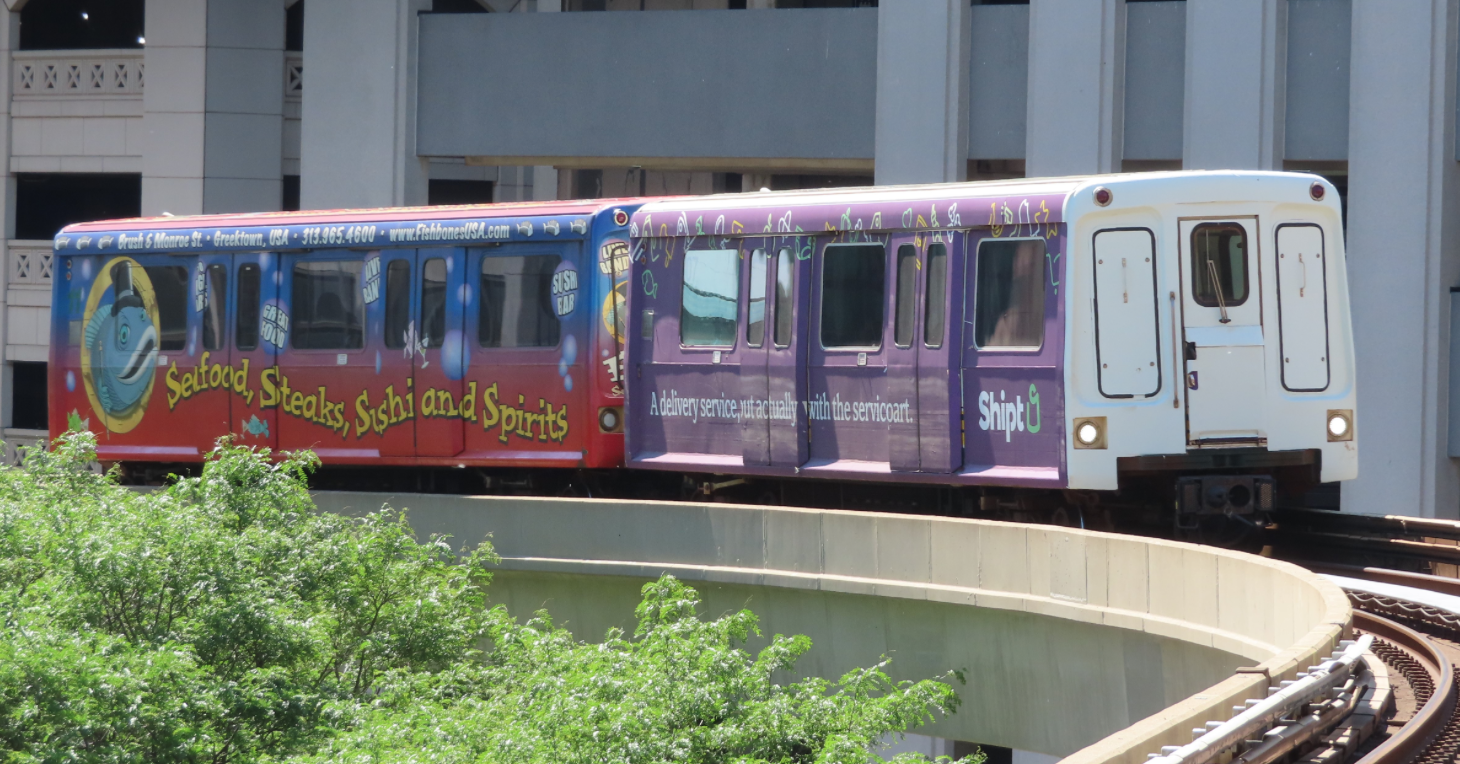
Light rail mobility in the United States includes both urban and suburban rail systems that move large numbers of people more efficiently than cars, especially along busy transportation corridors where buses face congestion and delays. These systems are deeply valued for better improving people’s access to jobs, schools, and services,…
-
 Continue reading →: A Look Into Deutsche Bahn’s String of Train Delays and Cancellations
Deutsche Bahn’s chronic delays shows up in both official passenger-rights guidance as well as major service disruptions. Deutsche Bahn explains that travelers can claim compensation when trains are delayed, connections are missed, or services are cancelled, and that these claims can be filed digitally through a customer account, order search,…
-
 Continue reading →: Mental Health Treatment in the American Public School System
Mental health treatment in the American public school system has expanded significantly over the years, but the access and the quality remain uneven. Nearly all public schools now provide different kinds of mental health services, such as individual counseling, case management, or referrals to outside providers. About one-third of K-12…
-
 Continue reading →: Designing Light Rail for the Elderly & Disabled
Designing light rail for the elderly and disabled means treating accessibility as a feature not to be ignored, and of the utmost importance throughout the full design process. Regarding New York City’s rapidly expanding mass transit system, this means design features such as: step-free station access, reliable and functional elevators,…
-
 Continue reading →: How is Zohran Mamdani Doing in Office?
Zohran Mamdani’s first few months as the Mayor of New York City showcased an ambitious left-wing political agenda forming, especially related to housing and social policy. However, questions remain as they relate to execution capacity and political headwinds. Before becoming Mayor, Mamdani was a New York State Assembly member. He…
-
 Continue reading →: Trauma Treatment of Formerly Incarcerated Individuals
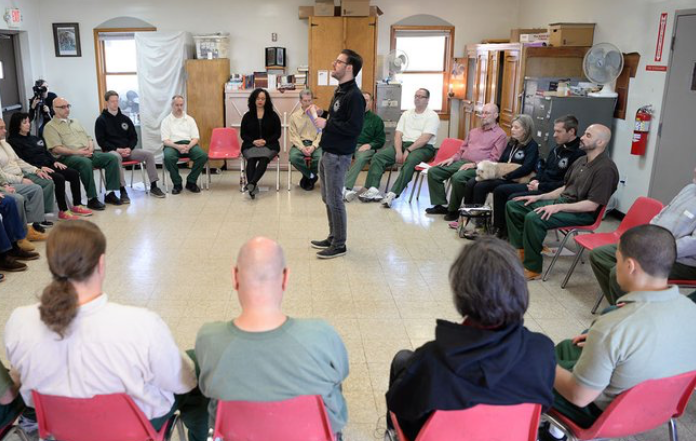
Trauma pervasively challenges many people around the world. Particularly, trauma affects those who have previously been incarcerated. This may occur both during and after release. Many people who have previously been incarcerated hold psychological scars. These may include Post-Traumatic Stress Disorder (PTSD) and Substance Use Disorder (SUD). Therefore, new treatments…
-
 Continue reading →: The Importance of Post-Incarceration Community Integration Services
It is true that post-incarcerated individuals face immediate survival needs upon release related to housing, income, healthcare, and that they experience much higher rates of chronic illnesses, mental illnesses, and substance use disorders than the general population does. These unmet needs are directly linked to negative outcomes after release, including…
Hello,
We are Youth Amplify
Youth Amplify is a non-profit organization which aims to increase accessibility to journalism and media literacy education. Through our partnerships with New York and Puerto Rican schools as well as small businesses, we strive to provide a platform for diverse voices while bridging the information divide.
Join the fun!
Stay updated with our latest tutorials and ideas by joining our newsletter.