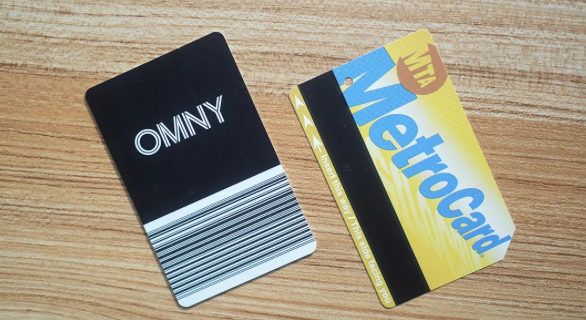
The Metropolitan Transportation Authority (MTA) of New York City has long relied on the MetroCard being a primary way to pay the fare for the extensive subway and bus network throughout the city. The MetroCard was introduced in 1993 as a way in which transit access could be modernized. It replaced subway tokens with magnetic stripe technology. Following three decades of use, the MetroCard will now be replaced by the OMNY Card. OMNY stands for One Metro New York. It is a contactless, account-based payment platform that revolutionizes New York City’s transit system with new improvements in mobility technology. Transitioning from the MetroCard to the OMNY Card doesn’t just represent a change in the method of payment. This represents a large change both in the infrastructure and the culture of the city, also providing changes to accessibility, efficiency, and user experience.
There have been certain limitations posed by the MetroCard, which have become more apparent recently. For example, the magnetic stripe technology that powers the card was once considered to be an innovative new tool, but it is actually quite susceptible to wear and tear. This, then, leads to frequent reading errors at turnstile machines after people have already paid the fare on their MetroCards. Beyond this, MetroCards rely on physical vending machines. These machines cost quite a lot to maintain and they are also subject to frequent mechanical breakages. Reloading the MetroCard is an in-person process, which becomes burdensome in our hyper-digitalized world. As urban mobility begins to use more frequent mobile payments as well as contactless technologies, the MetroCard showcases how outdated methods of technology showcases the need for improvement at scale, which is where OMNY comes into play.
OMNY is built through contactless payment technology. Users of the technology utilize contactless bank cards, smartphones, and smartwatches that use near-field communication (NFC) in order to pay directly at subway turnstiles and bus fareboxes around New York. If a user does not have banking access themselves, OMNY cards have a reloadable option enabled that is similar to the MetroCard. However, the technology is more modernized and durable. Since magnetic swipes are no longer needed to access the transit system, OMNY therefore works to improve the speed of transactions, jams at station entrances, and enhanced flow of commuters during peak rush hour times. As well as this, the account-based infrastructure of OMNY also makes room for fare capping, that is, a system where users of the system automatically receive the built-in benefits of having a weekly unlimited metro pass once they reach a threshold of spending a certain amount of money. This gives them less of a need to buy a specific type of pass or ticket. Therefore, this new design showcases a new shift towards equity and convenience in allowing people access to transit.
Transitioning to OMNY showcases something broader at play as well, regarding new technology and policy trends in urban transit systems around the world. Cities such as London, with the Oyster Card, and Hong Kong, with the Octopus Card, already showcase the efficiency gains and customer satisfaction that comes from having smart payment systems available in transit networks. Through OMNY, New York is showcasing that it can efficiently work as a digital-first public transit system. Integrating this system also with mobile platforms opens up new opportunities for buses, subways, commuter rail networks, and micro-mobility services into a unified payment ecosystem that is easy to use for all.
There still are some remaining challenges with New York’s migration into using OMNY technology. People who do not have access to banking or technology must still have access to transportation. The MTA as well must make sure that OMNY distribution points around the city are readily accessible to everyone. This includes multiple language options and privacy issues related to it being an account-based system, primarily. Beyond this, with the ultimate phasing out of MetroCards there also must be logical planning behind potential service disruptions that might occur, thus allowing for as smooth of a transition as possible to take place.
A turning point in New York City’s transportation history is taking place with this move from MetroCard to OMNY. Changes to mobility and accessibility ultimately are forward-thinking in new ways for residents of the city. These reimagings take into better account speed, equity, and integration with different, digital payment systems. However, some challenges still remain. The OMNY system showcases the city moving forward in its own infrastructure, thus showcasing an alignment of its transit system with global technology and transportation standards. New York City paves the way forward into the 21st century.





Leave a Reply