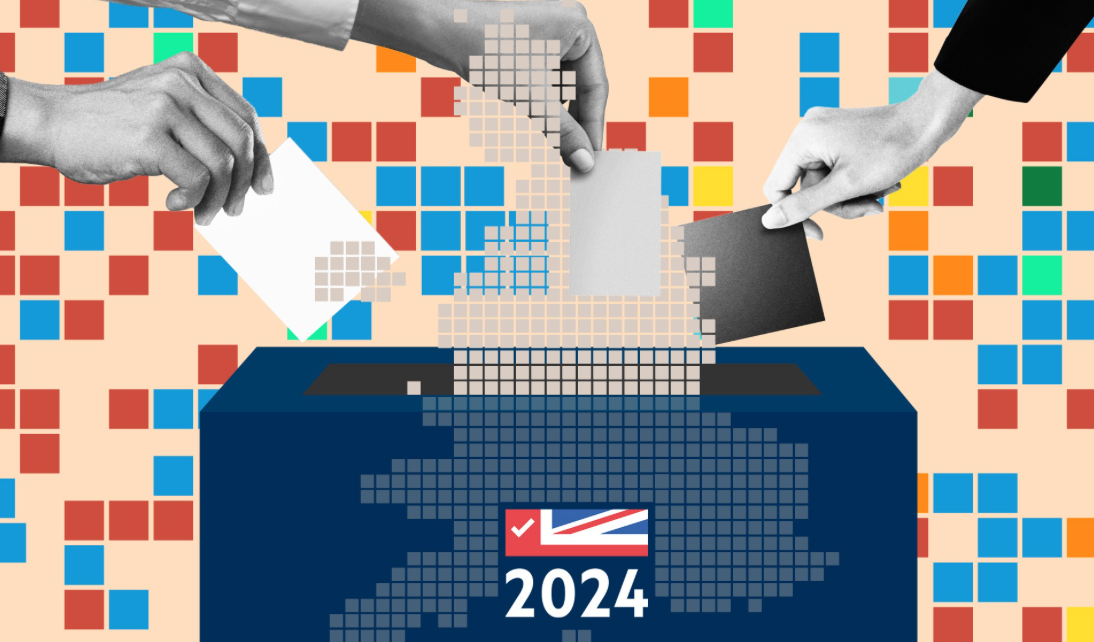

Reflecting on the events of 1968 and their relevance to the Biden-Trump contest in 2024 reveals both parallels and distinctions between these two pivotal election years.
The Democratic National Convention, which was held in Chicago in 1968, is set to return to the same city in 2024. Notably, both years feature a campaign associated with the Kennedy legacy: Robert F. Kennedy participated in the Democratic primaries in 1968, while his son, Robert F. Kennedy Jr., is running as an independent candidate in 2024. Polling data from 1968 indicated a tightly contested general election between Democratic nominee Hubert Humphrey and Republican nominee Richard Nixon; similarly, current polls suggest a competitive race between Democrat Joe Biden and Republican Donald Trump, particularly with regard to the crucial electoral college dynamics. Furthermore, both elections share the same date, with Election Day falling on Tuesday, November 5.

The significant historical events of 1968 are well-documented: President Lyndon Johnson’s announcement on March 31 that he would not seek reelection, the assassination of Rev. Dr. Martin Luther King Jr. on April 4 in Memphis, the shooting of Robert F. Kennedy in June following his victory in the California Democratic primary, the riots at the Democratic National Convention in July, and Nixon’s eventual victory over Humphrey and several third-party candidates in November.
However, there are notable differences between the presidential campaigns of 1968 and those of 2024. While I do not wish to idealize the past—particularly given the lack of representation of women and journalists of color in the media landscape of 56 years ago—it is important to recognize that major media outlets such as CBS, NBC, and ABC provided more comprehensive coverage of both insurgent candidates within the Democratic and Republican primaries and independent candidates in the general election. This allowed voters to make more informed choices, despite the technological constraints of that era.
In 1968, the media spotlight on Minnesota Senator Eugene McCarthy’s bold Democratic primary challenge against President Johnson helped him secure a notable 42% of the vote, while Johnson managed to get 48%. Just three weeks later, a shocked Johnson decided to exit the race.
Fast forward to 2024, and we see Minnesota Congressman Dean Phillips, Marianne Williamson, and Robert F. Kennedy Jr. stepping up to challenge Biden for the Democratic presidential nomination. Instead of engaging with these candidates, Biden chose to ignore them, the Democratic establishment mocked them, and the media largely overlooked their campaigns. The atmosphere for challengers in the Democratic primary was so hostile that Kennedy eventually left the race to run as an independent.
Had there been a more open Democratic primary in 2024—where Biden debated his opponents and the media actually covered their campaigns—we might have figured out by January or February whether Biden or someone else should lead the charge against Trump.
The Democrats really have no one to blame but themselves for the mess they’re in now, asking just a month before their convention, “What’s the process for replacing a candidate?” The answer lies in the Democratic primaries, which they effectively shut down before they even got started.

Since 1968, both major parties, with help from their media allies, have been systematically closing off primaries and excluding insurgents and independents from ballots, debates, and media coverage. This exclusion leaves many Americans out of the democratic process, silencing voices that could contribute to solving pressing issues like working-class financial struggles, violent crime, the border crisis, reproductive rights, and other critical matters.
We’re at a pivotal moment in history where we need everyone on board—principled Republicans and principled Democrats alike.




Leave a Reply