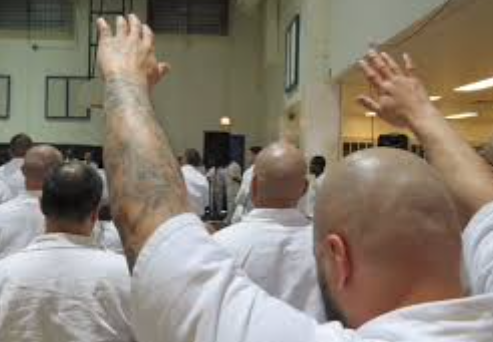
It is important to provide access to religion inside prisons, so that rights can be upheld and rehabilitation can be served. As per the First Amendment of the U.S. as well as federal statutes such as the Religious Land Use and Institutionalized Persons Act (RLUIPA), incarcerated people have the full right to practice their faith in prisons. Researchers have noted the importance of having this access as well. While studying faith-based programs, researchers found that religiously involved inmates had stronger identity transformations, an increased sense of meaning and purpose, and reduced levels of aggression than non-practicing inmates.
Religion, therefore, is not just something based on personal beliefs. It is also a way to support rehabilitation. In the 2025 report “Enforcing Religious Freedoms in Prison” released by the U.S. Commission on Civil Rights, it is stated that incarcerated people, particularly minority populations, face barriers such as limited worship spaces in prisons, restrictions on religious clothing or grooming, denial of religious diets, difficulty getting sacred texts for their religions, and not having full access to grievance systems. While their rights in this sense are legally protected on paper, they are actually restricted in quite a lot of ways.
The legal framework behind all of this showcases that prisons cannot hold a substantial burden on religious exercises unless there is a compelling interest to do so. Grievance processes in this case are slow-moving. From the perspective of correctional policy, there are many reasons why this matters. Ensuring fair access to religious practices fulfills obligations both constitutional and statutory. If religion is properly accommodated, the psychological well-being of inmates can also reduce misconduct within the prison system as well. Therefore, this down the line can help with reintegration efforts. If religious rights are not properly managed, legal challenges can stack up and there will be less potential of proper rehabilitation.
Accessing religion in prisons is a matter of holding fair and equal rights for all prisoners. It contributes to better rehabilitation as well. Institutional policies must be strengthened, fair grievances must be taken into account, and there should be more accommodation of minority faiths as well.
Works Cited:
- https://pmc.ncbi.nlm.nih.gov/articles/PMC9748388/
- https://www.aclu.org/issues/prisoners-rights/civil-liberties-prison/religious-freedom-prison
- https://www.usccr.gov/news/2025/us-commission-civil-rights-releases-report-enforcing-religious-freedom-prisons






Leave a Reply