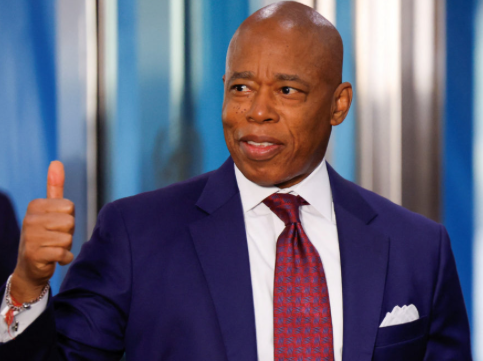
It is not merely symbolic to be the Mayor of New York City. The Mayor’s office represents the most powerful municipal executive position in the United States. The Mayor looks over a roughly $100 billion budget, manages all city agencies ranging from police to sanitation, and addresses challenges for the city’s more than 8 million residents including housing, transportation, and public safety. With the weight of all of these responsibilities, the voting process over who holds this office is complex. There are two steps within the electoral system on the way into City Hall for the next Mayor. First is the primary, second is the general election. There are also rules for succession if the seat becomes vacant.
The first step towards selecting the next Mayor would be the party primary election. This is usually held in June of the election year. Since New York City overwhelmingly votes Democratic, the Democratic primary is usually the contest that decides the frontrunner. In 2019, New Yorkers voted to approve what is known as ranked-choice voting for party primaries and special municipal elections. This voting reform significantly changed how candidates compete with one another in the electoral cycle. Instead of marking a single choice candidate, voters can now rank up to five candidates in order of preference. If a candidate were to gain more than 50 percent of the first-choice votes, then they win the election. If no candidate gains this, then the last-place candidate is taken out of the political race and the next candidate choices then become redistributed. This process of eliminating candidates and redistributing votes continues up until one candidate emerges with a majority of votes. Ranked-choice voting requires a broad coalition of support and reduces the overall chances that a candidate wins by only a narrow shot.
The ranked-choice voting system has already had a massive impact on recent mayoral races in New York City. Eric Adams secured a victory in the 2021 Democratic Mayoral primary, after several rounds of votes from the public were redistributed. In the 2025 primary, Zohran Mamdani benefited quite a lot from this same system of redistributing votes through ranked-choice voting. While Mamdani did not gain an outright majority of votes on the first count, he gained traction steadily as other candidates were eliminated one by one. This ultimately secured him the nomination. This adoption of ranked-choice voting has therefore altered campaign strategies. Candidates now must appeal not only for first-choice votes, they must also position themselves as an acceptable second or third choice vote, encourage coalition-building with other candidates in the field, and continue with civil campaigning initiatives.
Following the primary election, there is the general election which takes place typically in November. The general election differs from the primary election, where every voter who is registered in New York City can participate regardless of the political party they are affiliated with. The candidate who has the most votes wins, even if their voting total falls short of an absolute majority in the election polling. Typically, Democratic candidates have dominated in the general election but the voting process legitimizes the victor of the election as the dominant choice of the citywide electorate. In some cases, there have been Republican and Independent candidates who have competed. On January 1st, the general election determines who takes office following the vote taking place.
As well as this, New York City has succession rules beyond the scheduled elections that take place. If the mayor were to resign, die, or be removed from their office, the city’s Public Advocate would be the next in line to be the mayor of the city. If the Public Advocate is somehow not able to take the position, then the City Comptroller would take on the role of mayor. Depending on the time when the vacancy were to hypothetically take place, a special election could then take place in order to fill the mayor’s office for the rest of the scheduled term. These special elections utilize ranked-choice voting, and they also are made in order to ensure that New Yorkers have a truly democratic say in who governs over them.
There are certain critiques of the current system that are in place, which pose challenges as well. Ranked-choice voting is a representative voting choice, but it also slows down the counting of votes. When there are large voting events taking place which contain many absentee ballots, it can take weeks until a winner of the election is confirmed. Voter education must also become a critical priority, since mistakes on ranked-choice ballots can limit the effectiveness of voter preferences. Supporters agree that this voting system enhances democracy in a city where it is the norm to have crowded primary elections. This ensures that the winner of the election reflects more broad support across many diverse communities across the city.
Therefore, the election of the Mayor of New York City blends traditional voting practices with new, reformed practices. This two-stage system of having a primary election and a general election, combined with ranked-choice voting and succession laws, reflects both the city’s partisan political climate as well as its commitment to fair representation. By requiring political candidates to appeal to a wide swath of voters and by safeguarding continuity in times of crisis, this voting system aims to produce a strong mayor who can win votes and also govern the city such as New York with its many complexities.




Leave a Reply